How to Join and Thrive in Stalbert's Community Garden Network

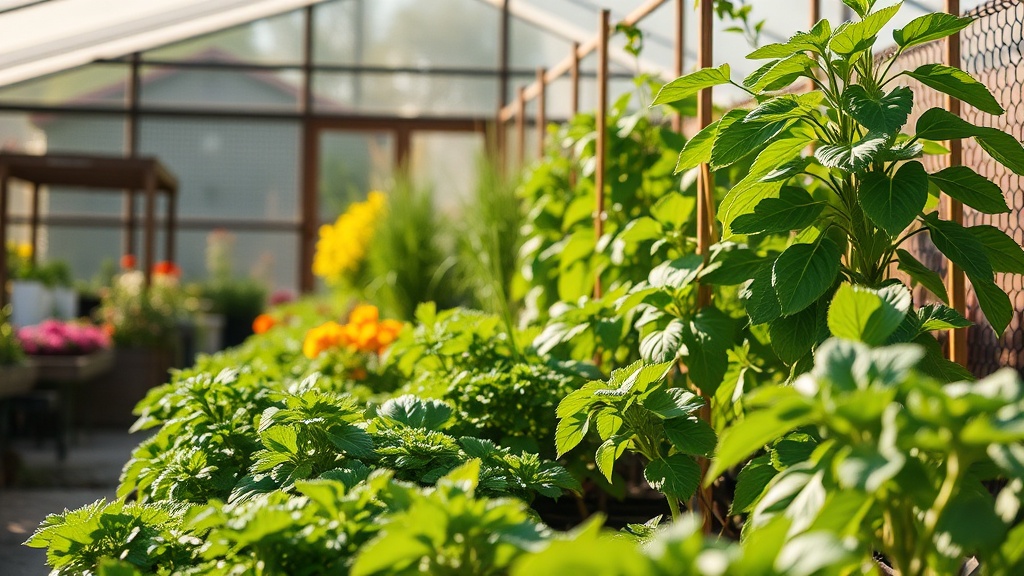
Most people assume community gardens are just for retirees with too much time on their hands — that they're quaint hobby plots where folks grow a few tomatoes and call it a summer. That's not how it works in Stalbert. Here, our community garden network has become something far more vital: a shared resource that addresses food security, builds neighborhood connections, and transforms underutilized municipal land into productive green space. Whether you're living in a downtown condo without a balcony or you've got a backyard that's too shady for vegetables, Stalbert's gardens offer a legitimate path to growing your own food while meeting the people who actually live around you.
Where Are Stalbert's Community Gardens Located?
Stalbert currently maintains four active community garden sites, each with its own character and availability. The largest — and often the hardest to get into — sits near Sir George Simpson Park, where the city converted a former maintenance yard into forty raised beds back in 2016. This location gets full sun, has accessible pathways, and sits within walking distance of several residential neighborhoods along Sturgeon Road.
The Kinsmen Park garden is smaller — just eighteen plots — but it's become the unofficial hub for gardeners who want more community interaction and less solitary weeding. There's a shared tool shed, a picnic table where people actually sit and talk, and an informal seed exchange that happens every spring without any official organizing. You'll find this one near the spray park, which means parents often grab plots here so their kids have something to do while they garden.
Two newer sites opened in 2022: one near the Stalbert Public Library (fifteen plots, mostly claimed by downtown residents) and another behind École Secondaire Paul Kane High School (twenty plots, with a portion reserved for students and the rest open to community members). The Paul Kane location runs slightly differently — there's a modest fee that helps fund the school's agriculture program, and gardeners are asked to contribute four volunteer hours per season toward maintenance.
How Do You Actually Get a Plot in Stalbert?
Here's where frustration sets in if you don't understand the system. Stalbert uses a lottery-style registration that opens each February, and popular locations like Sir George Simpson fill up within days — sometimes hours. The city publishes registration dates on their parks and trails page, and experienced gardeners mark their calendars months in advance.
New gardeners often get waitlisted at the prime locations, but there's a strategy that works: start at Paul Kane or the library garden. These newer sites have shorter waitlists, and once you're in the system as an active gardener, you get priority registration for the following year if you want to transfer to a different location. The city also maintains a cancellation list throughout the season — people move, change jobs, or realize that gardening is actual work. Check back in May and June; plots open up more often than you'd expect.
Registration requires proof of Stalbert residency and a small annual fee — currently $35 per plot, which covers water access, basic tools, and soil amendments. The city handles the paperwork, but day-to-day management is delegated to volunteer site coordinators at each location. These aren't city employees; they're fellow gardeners who've been doing this for years and know which plots get afternoon shade or where the hose connections leak.
What Should First-Time Gardeners in Stalbert Know?
Our growing season is short, unpredictable, and not forgiving to beginners who follow advice meant for warmer climates. The last frost in Stalbert typically hits in late May, and the first one arrives in September — sometimes August if we're unlucky. That doesn't mean you can't grow substantial food here; it means you need to plant differently.
Focus on cool-season crops that don't mind our temperature swings. Kale, peas, lettuce, and radishes work consistently well in Stalbert soil. Tomatoes and peppers are possible, but you'll want to start them indoors in April or buy established seedlings from local sources like Devonian Botanic Garden's annual plant sale — not big-box stores selling varieties bred for Ontario summers.
Water access is available at all sites, but there are rules. Stalbert has watering restrictions during dry summers, and community gardens aren't exempt. The city provides rain barrels at each location, and experienced gardeners collect water throughout the week to supplement what they're allowed to use during restricted periods. This isn't optional conservation — it's necessary strategy. The alternative is watching your tomatoes wilt during a heat wave while you wait for watering day.
Soil quality varies by location. The Sir George Simpson beds have been amended annually for nearly a decade and grow almost anything. The newer sites — particularly the library garden — sit on former turfgrass and need more attention during the first season. The city provides compost, but you'll want to add your own. Several Stalbert garden centers offer discounts to community gardeners; ask your site coordinator for the current list.
How Do These Gardens Actually Build Community?
This is the part that surprises people who thought they were just renting dirt. Stalbert's garden network operates on informal knowledge-sharing that you can't replicate online. When the flea beetles hit your arugula in June, someone at the Kinsmen site has dealt with them before and knows which row cover actually works here. When you're drowning in zucchini in August, there's usually a table near the tool shed where gardeners leave surplus produce for others to take.
The Paul Kane location runs a different model — one that's worth understanding if you're weighing options. Because it's connected to the school, there's structured programming during the academic year: students help with spring preparation and fall cleanup, and gardeners are encouraged (though not required) to mentor kids interested in growing food. Several longtime gardeners at this site say the interaction with students is what keeps them coming back, even when their own vegetable production is mediocre.
There are unofficial social events, too. Most sites host an end-of-season potluck in September where gardeners bring dishes made from their own produce. It's not organized by the city — someone just sends an email or posts on the informal WhatsApp groups that form at each location. If you're new to Stalbert or new to your neighborhood, showing up to one of these gatherings is a low-pressure way to meet people who actually live nearby. Conversations start with soil composition and end with recommendations for contractors, schools, or which trails are passable after rain.
What Happens When Things Go Wrong?
Gardens fail. Crops get stolen — sometimes by people, sometimes by rabbits that have learned community gardens are easier targets than fenced backyards. Tools disappear. Disputes happen over whether someone's sunflower is shading someone else's beans. The city doesn't mediate these conflicts; the volunteer site coordinators do, and their authority is entirely informal.
That said, serious problems are rare. The system works because gardeners have a shared investment in making it work. When theft became an issue at Sir George Simpson two years ago, the gardeners collectively fundraised for better fencing rather than waiting for municipal budget cycles. When the water line froze at Kinsmen last spring, people carried buckets from nearby homes until the city could repair it. This isn't abstract community spirit — it's practical mutual aid among people who've learned each other's names.
If you're considering a plot, visit the gardens first. Show up on a weekend morning, walk around, and talk to whoever's there. Ask about their specific location's culture — because each one has developed differently. Sir George Simpson tends toward serious food production; Kinsmen leans more social; the library site attracts downtown residents who want convenience; Paul Kane draws families interested in the educational component. None of these are better or worse — they're just different, and finding the right fit matters more than getting the most prestigious location.
Stalbert's community gardens won't solve food insecurity across our city, and they won't turn novice gardeners into self-sufficient homesteaders overnight. What they do provide is structured opportunity — a defined space with resources, support, and social infrastructure that makes growing food possible for people who couldn't otherwise do it. In a city where housing costs keep climbing and backyard space keeps shrinking, that's not trivial. It's a practical response to real constraints, and it happens to create the side effect of neighbors who know each other.
"I thought I was signing up to grow carrots," a gardener at the Kinsmen site told me last summer. "Turns out I was signing up to know my neighbors' names. The carrots were just the reason I showed up."
The 2025 registration period typically opens in mid-February. Check the city's website, set a reminder, and be ready to act quickly. If you miss the initial registration, don't abandon the idea — contact the parks department and ask to be added to waitlists. Spaces open up, and persistence pays off. Once you're in, commit to showing up regularly even when the work isn't glamorous. That's how gardens grow — and how communities form around them.